
What is Dye Ink?
Dye-based inks tend to be water soluble, explaining why dye inks are more likely to smear. Dye ink generally takes more time to dry and results can be poor if a drop of water hit a page.
Dye-based inks are general purpose inks that can be used for stamping on most kinds of paper. Dye inkpads come in a variety of sizes, as well as inking surfaces—including felt, linen and sponge. They are available in a large range of colors.
The colors are transparent and somewhat thin bodied so you may find that lighter shades tend to produce a subtle, pastel effect while darker colors can produce a very strong, bright effect.
Dye-based inks set up by soaking in and staining the fibers of the paper. On porous surfaces, this tends to happen quickly, so they are generally not appropriate for use with embossing powders. On glossy, coated or other non-porous surfaces.
So what's the advantage of dye ink? Color vibrancy. Colors are brighter because various optical compounds are added to dye ink to enhance the color. However, these compounds, like the dyes, have a low resistance to light or to UV rays, especially since dye-based inks are usually spread more thinly than pigment inks on the surface.
Fading can be an issue if your document will be exposed to the sun, so dye inks aren't perfect for printing things like signs and banners to be hung in windows or out of doors.
Dye Inks Categories

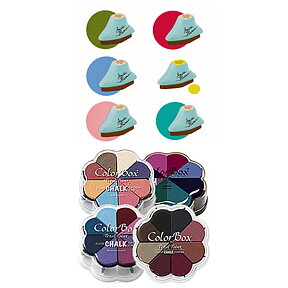
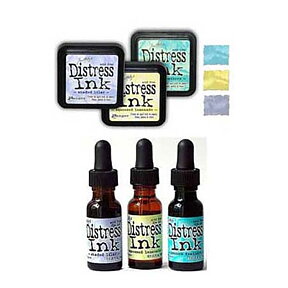
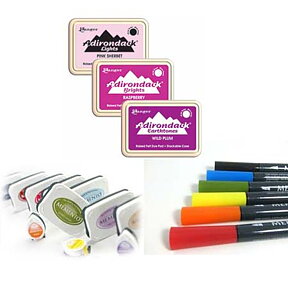
All Products Dye Ink
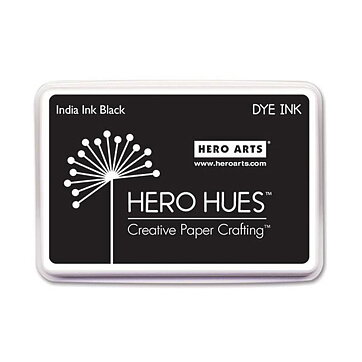

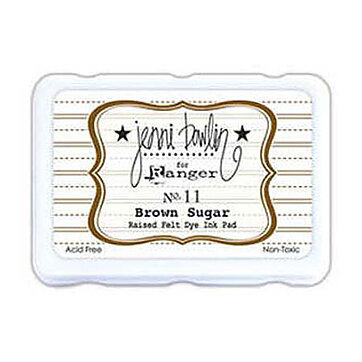
Dye Ink pad! Wonderful quality stamp pads with designer…
$4.70
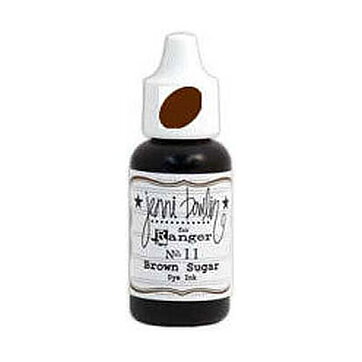
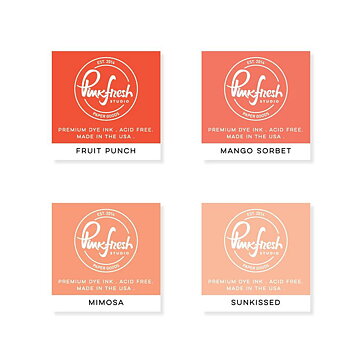
Water based dye ink ! These premium ink pads…
$23
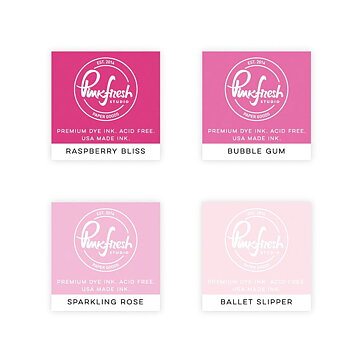
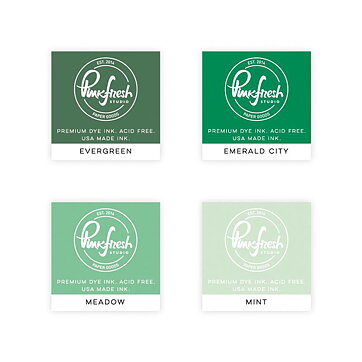
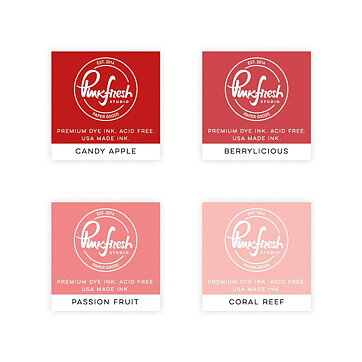
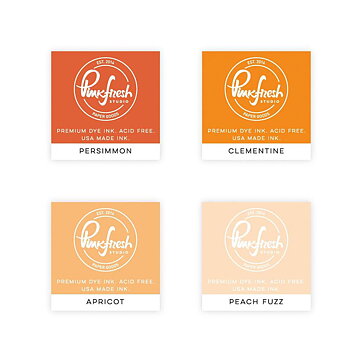
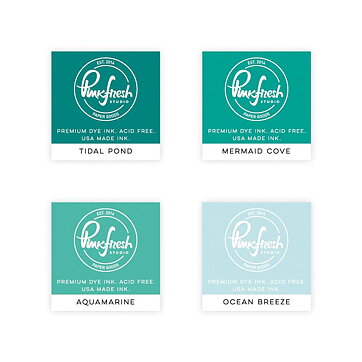
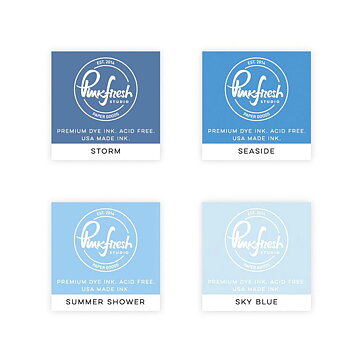
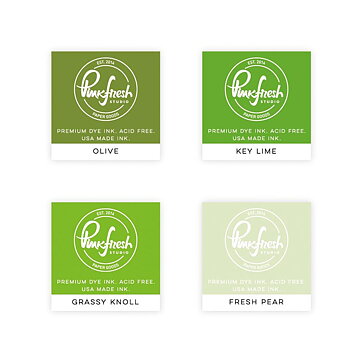
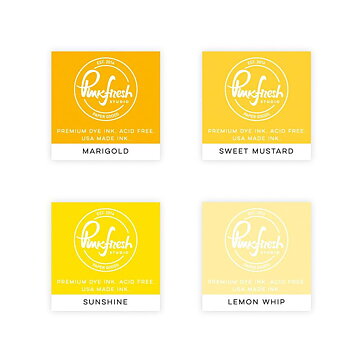
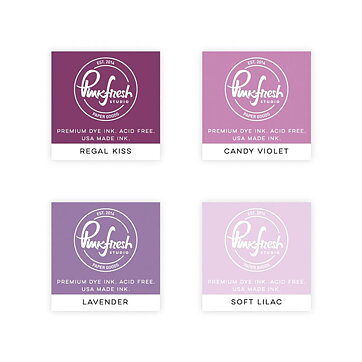
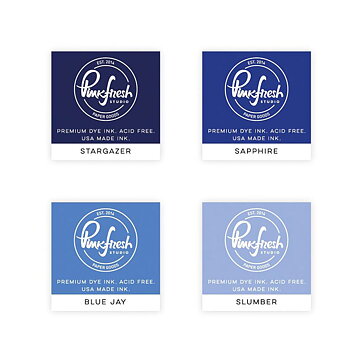
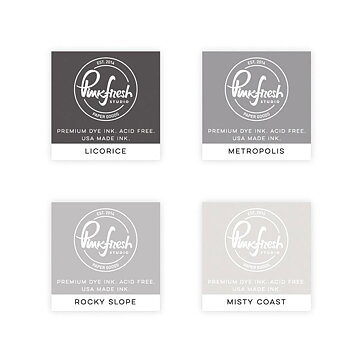
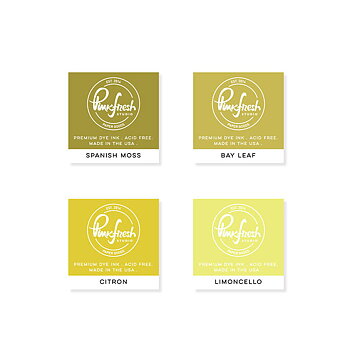
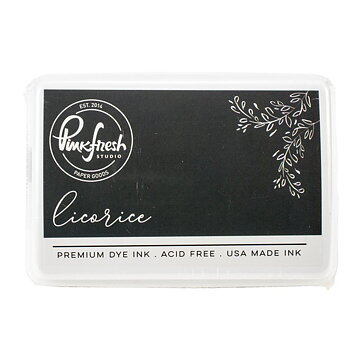
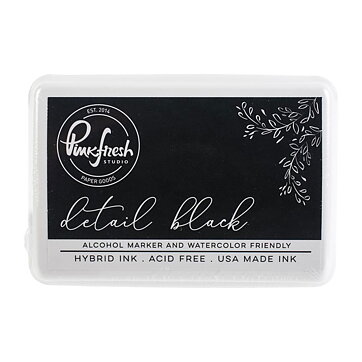
Hybrid ink ! Detail Black Hybrid ink gives you…
$15.60
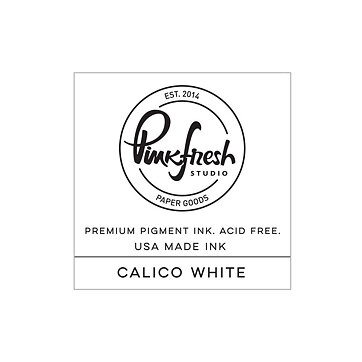
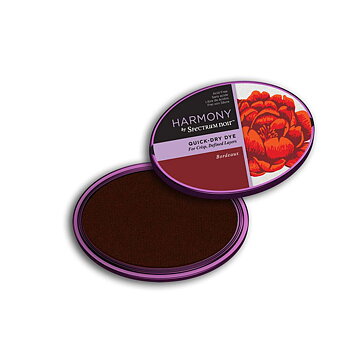
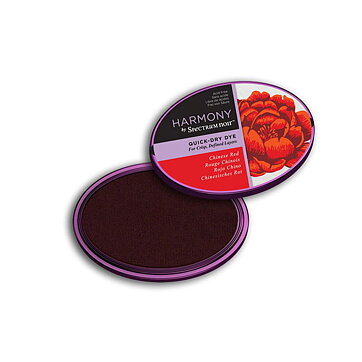
Quality pad! Fast-drying live color with…
$6.20
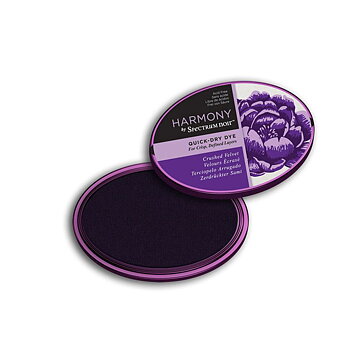
Quality pad! Fast-drying live color with…
$6.20
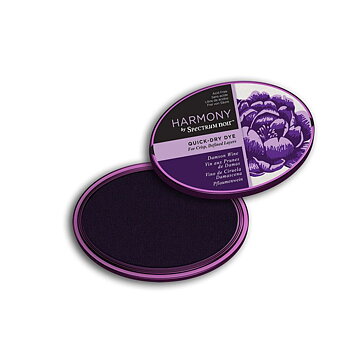
Quality pad! Fast-drying live color with…
$6.20
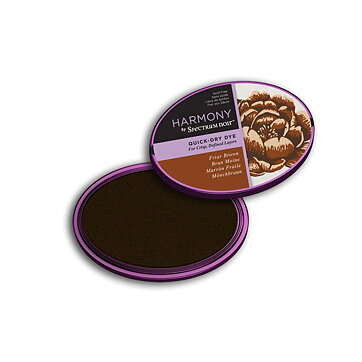
Quality pad! Fast-drying live color with…
$6.20
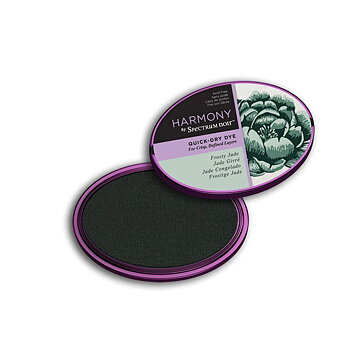
Quality pad! Fast-drying live color with…
$6.20
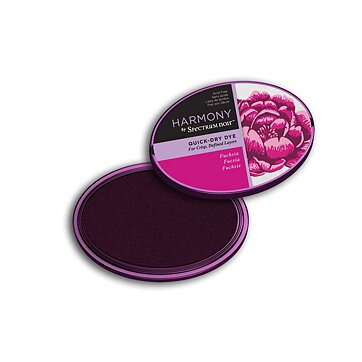
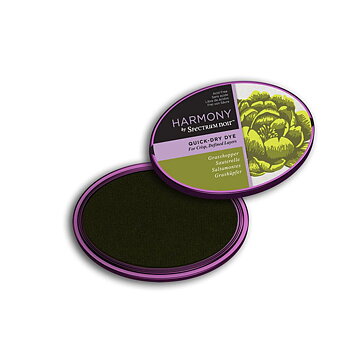
Quality pad! Fast-drying live color with…
$6.20
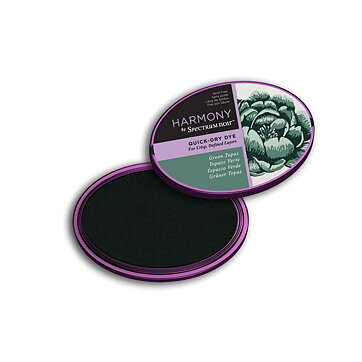
Quality pad! Fast-drying live color with…
$6.20
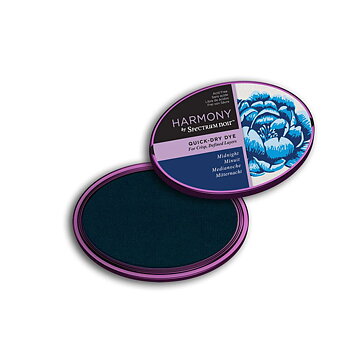
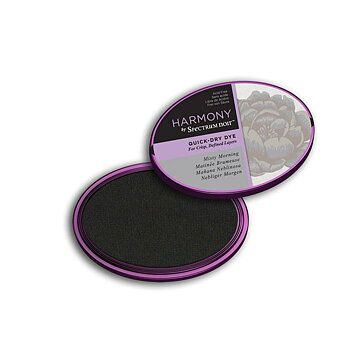
Quality pad! Fast-drying live color with…
$6.20
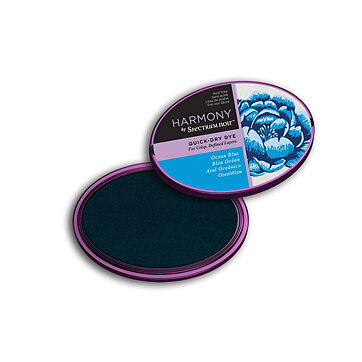
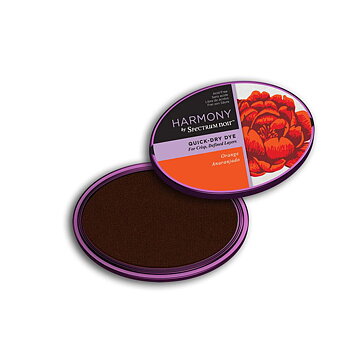
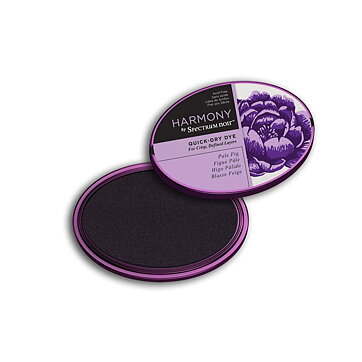
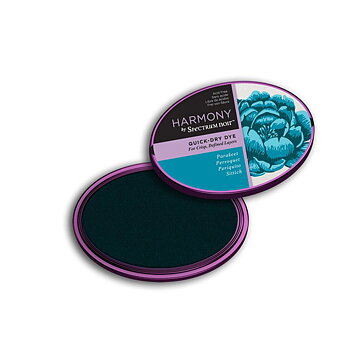
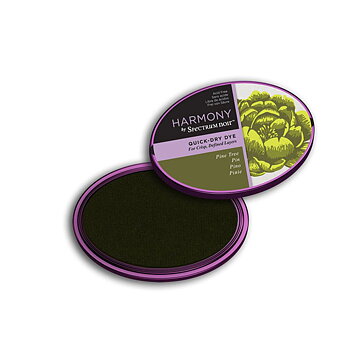
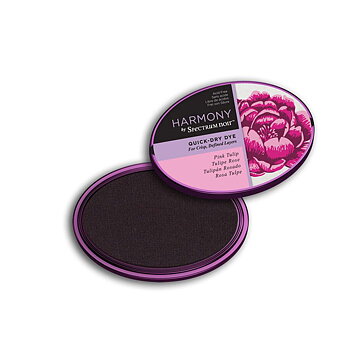
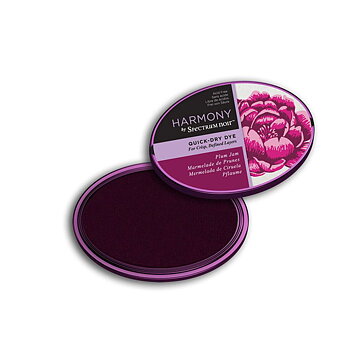
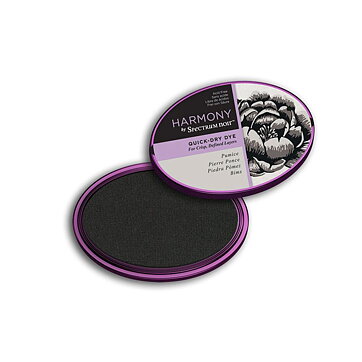
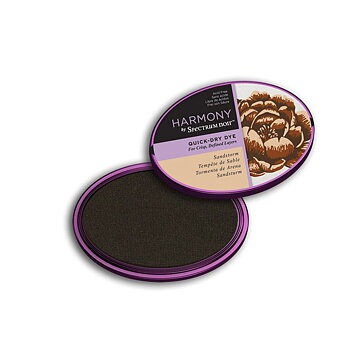
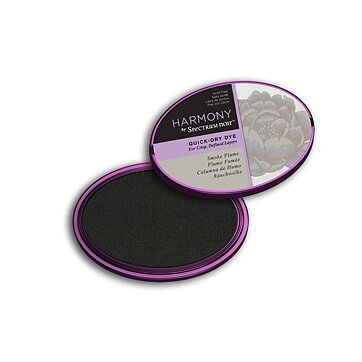
Quality pad! Fast-drying live color with…
$6.20
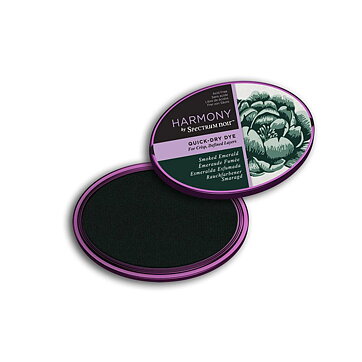
Quality pad! Fast-drying live color with…
$6.20
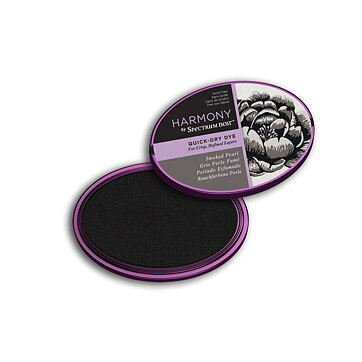
Quality pad! Fast-drying live color with…
$6.20
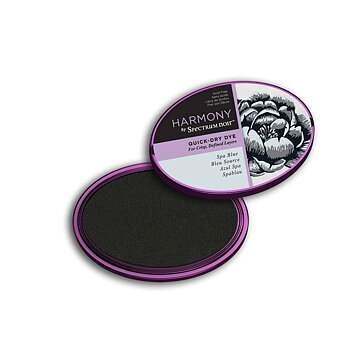
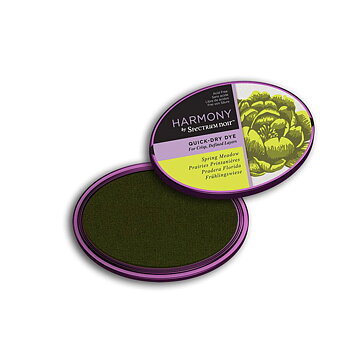
Quality pad! Fast-drying live color with…
$6.20
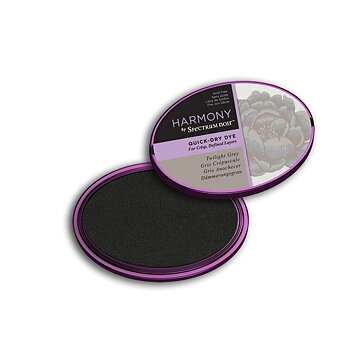
Quality pad! Fast-drying live color with…
$6.20